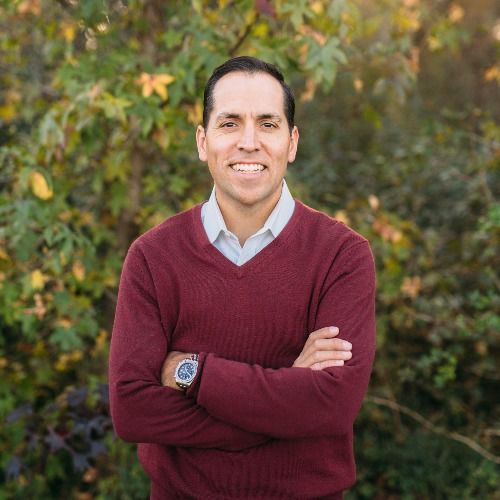

Navy Aviator to CIO: How Matt Sandretto Found the Best Asset Class No One Talks About
In this special double-release episode, I sit down with Matt Sandretto, CIO and co-founder of Prairie Hill Holdings — a Lake Forest, Illinois-based private real estate fund focused exclusively on net lease industrial and retail properties. Matt brings a rare background to real estate investing: Navy aviator, Wharton MBA, and former independent sponsor buying manufacturing businesses before discovering that the real estate inside those deals was often more compelling than the businesses themselves.
This is Episode 1 of a multi-part series. Show two will go deeper into deal case studies, fund access for RIAs, and PHH's right to win.
What You'll Learn in This Episode
- Why Matt abandoned private equity to focus on real estate — and the pivotal 10x equity multiple deal that changed his perspective
- What net lease real estate actually is, and why it dramatically reduces operating risk versus multifamily or other property types
- The structural tailwinds behind industrial and retail that most advisors aren't talking about
- Why retail vacancy nationally sits at just ~4% — and why that's been hiding in plain sight
- The difference between investing in a business vs. owning the real estate underneath it
- How Prairie Hill sources off-market deals through informational advantages that large institutional players can't replicate
- Why portfolio diversification across properties matters more than single-asset syndications for the wealth management channel
- How EnduranceX identifies and partners with institutional-quality managers that fly below the radar
Key Timestamps
[00:00] — Introduction: Why EnduranceX partnered with Prairie Hill Holdings and how the relationship began through a colleague connection in Nashville
[02:42] — Matt's background: From Wharton MBA to independent sponsor acquiring manufacturing businesses; discovering industrial real estate inside those deals
[08:04] — The mindset shift: How Matt realized real estate offered near-private-equity returns with dramatically lower risk than buying businesses
[10:05] — The Lululemon example: Owning the business vs. owning the real estate — a framework for understanding risk in plain terms
[13:59] — Prairie Hill's origin: The Chicago industrial facility that sold for a 10x equity multiple within a year and sparked the real estate focus
[16:27] — Informational arbitrage in real estate: Why inefficiencies are "everywhere" and how knowing a corporate tenant's expansion strategy before buying a property creates outsized returns
[29:39] — What is net lease real estate? Matt breaks down NNN vs. gross leases and why tenants paying operating expenses changes the entire risk/return profile for landlords.
[36:04] — Industrial tailwinds: Falling construction, onshoring of supply chains, geopolitical uncertainty driving domestic demand
[41:17] — Retail tailwinds: ~4% national vacancy, 20+ years of underbuilding, grocery-anchored centers, necessity retail, and health & wellness tenants
[45:46] — What RIAs get wrong about real estate allocation: Why most client portfolios don't have a thoughtfully constructed real estate bucket
[56:09] — Portfolio approach vs. single-asset syndications: Why diversification across multiple properties matters for the wealth management channel
[01:03:37] — Prairie Hill's mission and what's ahead: How the team approaches LP relationships and what show two will cover
Key Quotes
"I realized I was wrong. I did not understand the true risk profile of private equity versus real estate, and how you could earn close to private equity-like returns in various real estate strategies with far, far less risk." — Matt Sandretto.
"Inefficiencies in real estate? They are everywhere. They are absolutely everywhere." — Matt Sandretto
"If the brand fails and you own the real estate — if you do your underwriting correctly on market rents — sometimes the vacancy actually provides upside. So it's like the business fails and you can still win." — Matt Sandretto.
"Retail vacancy is about 4% nationally. Far lower than industrial, actually. And the reason is the last 20-25 years of online commerce caused developers to completely pause retail development — while the US population kept growing." — Matt Sandretto.
"We try to be the best in the world at that narrow focus of what we do. Industrial, retail, net lease." — Matt Sandretto
About Prairie Hill Holdings
Prairie Hill Holdings is a private real estate fund manager based in Lake Forest, Illinois (Chicago Metro), focused exclusively on net lease industrial and retail properties. The firm was founded approximately five years ago and manages approximately $100 million in assets across a team of five to ten investment professionals.
2025 Net Return: 17.41%; Average Annual Net Return Since Inception: 12.3%
Prairie Hill offers two primary vehicles for investors:
- Net Lease Fund — a diversified portfolio of industrial and retail net lease properties
- 1031 Exchange Service — for investors seeking tax-efficient real estate exposure
Website: www.prairie-hill.com LinkedIn: linkedin.com/in/matthewsandretto Email: investors@prairie-hill.com Q2 2026 Quarterly Update Recording: Watch here
About EnduranceX
EnduranceX is an alternatives platform supporting independent RIAs and family offices seeking institutional-quality managers that fly below the radar. The firm is headquartered in Atlanta, Georgia, with its affiliated RIA and Broker-Dealer, GPWA, LLC, based in Nashville, Tennessee.
Prairie Hill Holdings is a current manager in the EnduranceX marketplace.
Learn more: EnduranceX
Coming Up in Episode 2
- Deep dive into deal case studies and live portfolio examples
- PHH's right to win — sourcing, underwriting, structuring, culture, team building
- Market outlook: where Matt is seeing the best opportunities in 2026
- How RIAs can access the strategy
This podcast is for informational purposes only and does not constitute an offer or solicitation to purchase an interest in any fund. Past performance is not indicative of future results. Investment in private funds is speculative and subject to risk of loss.
Transcript
I'd like to welcome everybody to a double episode today with Matthew Sandretto.
Matt is the Chief Investment Officer of Prairie Hill Holdings.
We're going to release the show on both atl, ALTS and Asset Backed because we're going to spend a lot of time with Matt over the next hour and potentially in a couple of future shows talking about real estate.
A very, very timely conversation.
I'm super excited to be working with Prairie Hill holdings and Matt, gotten to know him and the team over the last few months and this is a very, very timely conversation.
They are a new client of our firm at EnduranceX, our ALTS platform, where we are supporting independent advisors and family offices who are seeking to find really best in class, institutional quality managers that maybe just for one reason or another, fly below the radar.
And when we find those managers, one of the things that we love to do after we conduct our due diligence and get to know their investment strategy, their track record, et cetera, is we like to introduce them to the broader network of RIAs and groups that we work with.
Because one of the things about these firms is typically they are only small for a period of time and once they really begin to hit their stride and more folks hear about them, particularly in the Wealth Channel, the story gets out, they grow.
And so we're super delighted to be partnering with Prairie Hill holdings and I'm ecstatic to have one of the co founders and the Chief Investment Officer, Matt Sandretto, join me today on the podcast.
And, and with that, Matt, welcome to the podcast and delighted to see you here on a Friday in mid September.
Matt Sandretto:Andres, great to be with you.
Thank you.
Andres Sandate:I know that was a longer intro probably than I normally do, but one of the things that we've realized here is we need to really double click into how we came to connect so people understand the context and the relationship.
I believe that we, you know, we learned about you guys through a colleague of yours, Jack, who maybe was doing some outreach.
Our firm has a presence in Atlanta, where I'm based, but we also have our headquarters in Nashville, Tennessee.
So shout out to your colleague, Jack.
So I think he was the one that actually, you know, initially connected us and put us together.
I'm curious to dive into your team.
We will do that here in a minute, but would you just start by telling us about yourself, telling us about your background in Prairie Hill Holdings.
Matt Sandretto:Sure.
Thank you, Andres.
So, Matt Sandretto, Chief Investment Officer at Prairie Hill.
We're a real estate fund in the net lease asset class, industrial, retail, Properties based out of Lake Forest, Illinois, which is part of Chicago Metro or on the north side of the city.
About five to ten investment professionals.
And, and we've been operating for a little over five years and you know, about 100 million in assets and we continue to grow.
You know,:In fact, for our entire life cycle of this, of this fund, we've been investing throughout a, a higher rate environment.
So we're still excited about:For, for my background, I initially was in private, private investments, private equity, buying businesses.
After I left Wharton Business School, I set out to buy buy companies and made investments in the manufacturing segment and became an owner of industrial real estate and operated those businesses for a number of years, grew that platform through acquisition and ultimately I wanted to exit it to focus on the real estate because.
Andres Sandate:Could I jump in real quick?
Matt Sandretto:Sure.
Andres Sandate:One of the things about our show that you'll probably pick up on really quickly is I interrupt, but it's for the benefit of our audience because one of the things that's, I guess, different about how we're going about sourcing and underwriting managers and doing due diligence on managers is that the story of the team is super critical.
It's one thing to invest with a hundred billion dollar organization that's been around for 60 or 80 years.
It's another thing to invest with a firm that's got a five year history and there's five to ten investment professionals.
Right.
So we, we, we spend a lot of time on the people, we spend a lot of time on the alignment.
We spend a lot of time on the organizational structure and the background of the, of the core team that are obviously running the business day to day.
Because these asset management firms are a business.
Right.
It's not just a fund, it's not just an investment strategy, it's a business.
And we are looking for firms that really have distinctive edge when it comes to the founder, the founders and the founding team and what brings what, what they bring to the table that makes them unique.
And so you talked a little bit about your background, but like many of our guests.
Right.
We are, a lot of us are super humble and we speed right through the 15 or 20 years that kind of got us to this point.
Matt Sandretto:Sure.
Andres Sandate:The backstory is really important for us and so I want us, I want to dig into that a little bit backstory for you in Reading some of the notes that you shared with me, you actually were buying businesses.
Were you running a search, a search fund or were you doing, doing kind of a fundless search model at, at that time coming out of business school?
Matt Sandretto:That's exactly right.
So I, I pursued it independently.
Didn't form a fund up front, but really down in the trenches tactically looking for a business to, yeah.
To purchase and, but what you saw.
Andres Sandate:In your notes was that in a lot of the transactions there was industrial real estate that was coming along with the business or was tied to the business in some way.
Is that fair?
Matt Sandretto:Exactly.
So typically in these transactions the business and the real estate would be sold together because the founding, the owner family, you know, wanted to have a disposition of, of all of it.
Andres Sandate:All of it.
Matt Sandretto:And so we were, you know, from day one having to value industrial real estate.
And, and I think we looked at it as how, I think a lot of private equity funds do and, and in that it sucks up a ton of capital, it's relatively low return.
These are, these are the assumptions.
And yeah, I, I, I found out those assumptions turned out not to be true.
That the, the estimated, you know, net IRRs and private equity are, they're always, they're, they're always higher on the, on the spreadsheet in the 20s, but realizing those returns, a lot of funds, if they hit, you know, low to mid teens, that's considered very successful for private equity fund and they tend to continue to be able to raise follow on funds if they're, if they're hitting those numbers.
Andres Sandate:But one thing you don't see when you look at a private equity pitch book and we look at hundreds of funds throughout a typical year is they don't talk about the real estate.
Right.
In the business.
Right.
They're talking about maybe we're a consumer or a franchise focused roll up or we're a healthcare focus P roll up.
They don't talk about the real estate.
Right.
So your, your insight was you saw real estate was sort of included in these deals, but did you personally just start finding the real estate to be more interesting or was there just more value there?
Matt Sandretto:So I realized that I, I was wrong.
I did not, I did not understand the true risk profile of private equity versus real estate and how different they actually were.
And then also how you could earn close to private equity like returns in various real estate strategies with far, far less risk.
And how, how I describe the risk difference is if you, if you buy a business, you, you own the business assets, but the economy Today and what type of assets a business has are, are very different.
We're not talking about the, you know, the 19th century economy of, you know, railroads, steam shovels and book value actually meant something back then.
Today in some businesses, book value means something, maybe mining equipment intensive things, but in many cases, you're buying a suite of products, services, intellectual capital, a team that brings that all together and then positions that product in the marketplace and customers have a willingness to pay for it.
All those things.
That is a very sensitive ecosystem that is subject to get disrupted or change.
Andres Sandate:Well, yeah, we look at software, right?
Yeah, look at software and, and the, the, they talk about the SAS apocalypse that.
Right?
All these private credit funds that loaded up on enterprise software because of the recurring revenue and the sticky contracts.
And I do personally think that a little bit of this is overblown.
However, you can't deny that the customers in those funds that wanted to come out and were invested in private credit.
Right?
So my point is, and I think what you're trying to articulate is that real estate revealed itself to you during the process of evaluating and underwriting businesses to acquire as part of your days as an independent sponsor.
Matt Sandretto:Exactly.
And I think I was, you know, I had the hubris of youth that I thought, okay, all this, this constellation of factors that can go wrong that, you know, I can figure all these out and control for them.
And the truth is that I don't think you always can.
And so, you know, real estate, there's a, it's a narrower set of variables to analyze.
They also change much more slowly because construction takes a long time and, you know, available land is, is hard to come by.
And, and so things move much more slowly.
And when we're talking about risk, you know, just one company that's been in the news a lot, I'll just use as an example Lululemon.
Let's, let's look at if you own the company, own the stock, that's you, you know, owning the business versus what if you own the real estate and you're leasing a store to Lululemon.
Like, let's look at the differences, okay?
The, all the board squabbles and with the founder and all that.
And then, you know, maybe the products aren't perceived as competitive with some of these newer, you know, athleisure brands.
All right, Stock starts going down, you know, what, what do you have if that's not doing well?
If you own the business, not much, right?
If, if the brand, you know, fails whereas you own the real estate.
Okay, let's say they ultimately fail and shut down.
Well, if you look at the kind of class A locations that they're in, there's a, there's a ton of other companies that'd be dying to lease that space.
So your, your investment is, is unaffected.
You know, you might have, you know, a vacancy period where, you know, you're losing the rents over a period of time.
You might have to put in some tenant improvement investments to, you know, rehab the store.
So it's, you know, it's not saying if you lose the tenant, it's a, it's a great day.
Some.
Sometimes it is though, if, if you do your underwriting correctly on market rents, sometimes the vacancy actually provides upside.
So it's like the business fails, you can still win.
Whereas when you're either lending money to businesses so you know, bonds or credit investments or buying the equity of businesses, if that business doesn't work out, there's, there's nothing there.
And.
Yeah, yeah, whereas real estate, totally different.
And so I think that's, I think that's the misunderstood risk profile of real estate because there are certainly risky strategies in, in real estate.
I don't want to, but I think thinking real estate as an asset is risky because there's these various strategies is a common misperception.
Andres Sandate:Yeah, we're going to, you know, from the, from the standpoint of the, the origin story with you, I mean we, we're going to walk through like where you guys arrived at, at Prairie Hill to identifying, you know, necessity retail and industrial and healthcare and some other sectors that you found work really, really well in the, you know, the net lease approach.
And we're going to build, we're going to build into, you know, what, what the actual investment strategy is.
But I want to stop talk, you know, still about the real estate you guys identified and you, it sounds like personally said there's something here.
Talk to us about kind of you're looking at deals to buy businesses.
You're seeing the real estate.
Take us through this history of, you know, Prairie Hill.
I know it's not a company that started yesterday.
You guys have four or five years of history, got 100 plus million dollars of real estate, including a very nice recent acquisition in Auburn Hills that we're going to talk about.
But take us through sort of those early founding days to, to deciding to actually turn this into a business.
Matt Sandretto:So one of the first, this is, I guess this is the third acquisition I did in manufacturing and it was a production plant in Chicago and it was small industrial facility about 25,000 square feet.
So not, not tiny but, but smaller bought the business and the real estate.
And at the time the business was growing and like I said, I thought, hey, deploying capital into growing the business was much higher return.
So let's see if we can monetize the real estate.
And within a year of buying the real estate, sold it for something like, I think it was like a 10x equity multiple just absurd kind of return.
And I saw that the inefficiencies present in some of these markets are very high.
And as a result, you know, any, you know, you have an audience that's familiar with lots of different strategies, hedge fund strategies, options, derivatives, things like that.
You know, these firms, the citadels of the world, they're always mining these inefficiencies which are very hard to find obviously in the publicly traded market.
But, but they're there for the, the folks that engage in that arms race of trying to find them there in real estate.
They are, they are everywhere.
They're absolutely everywhere.
For example, you know, just one that's you know, if, if you know a corporate tenants expansion strategy.
Well, and you know what their real estate department's looking for nationally.
Well, you can buy real estate that the seller doesn't know that, you know, that real estate's perfect for this, you know, investment grade corporate tenant.
You do, you buy it at a price that reflects land and buildings.
And you know, your, your leasing strategy was completed before you even bought the building.
And so all of a sudden instead of it just being landed buildings, now it's a 15 year lease with an investment grade tenant.
You're capitalizing that income and the valuation and you know, there's a big return.
So that's, you know, inefficiency 101 in this, in this market now it's hard to achieve that.
It takes a lot of work.
But it, but it's there.
Andres Sandate:Yeah, there's information, there's informational advantages and informational arbitrage in the private markets, which is why we love the private markets.
This isn't inside information like when we're talking about, you know, the public markets.
Right.
Which we're, we're a highly regulated industry.
Right.
So we're not even going to go there.
But when it comes to real estate, despite AI, despite data prevalence, every industry facing all the, all the changes that, that they're changing from a technology perspective, real estate still remains, like you said, a business that is really based on cap rates and really based on interest rates and really based on, you know, supply and demand fundamentals.
But there's so much, it's such a big asset class and there's so many niche and pockets and specializations that it presents a lot of opportunities in all market cycles, not, not just in say, a rising market environment or a low interest rate environment.
So you gave us the background on kind of where Prairie Hill got, I guess, the concept of forming the business.
When did you decide to say, okay, I'm going to exit buying businesses and move into focusing on acquiring net lease real estate?
I would imagine there was sort of a gradual process, but, you know, you're five years in now.
What was that decision?
Where did that fall?
Matt Sandretto:Yeah, I think I saw that Covid definitely was a big part of it.
The manufacturing businesses that I had part was tied to a government customer and that continued to do very well during COVID but there was a commercial division that was selling to, not selling to government and that got kind of destroyed.
And you know, I got to see firsthand just some of the disruptions and how long they can take to resolve.
And to me, the, the future, or I saw much more of a future and in the real estate side and the industrial real estate, because I looked at these investments and the most valuable part of them really was, was these industrial properties.
And I thought, okay, that's the investment asset class that I want to pursue because it has an element of predictability that I saw that I didn't see in anything else that I had experienced.
And my investment journey probably started when I was a kid and I tried to read every book I could on all the asset classes.
And I was very drawn to the hedge fund strategies because, you know, as a math major at the University of Wisconsin, I, I thought I was really smart.
Andres Sandate:Well, and you went to Wharton.
I mean, so, you know, that's the.
Matt Sandretto:Kind of, you know, I thought, yeah, okay, you can do math and statistics and program things and you know, you can just make money in the markets easily.
And, and I, I don't think that's true, or at least I don't think it's.
That's not my, my talent.
My talent is not trading.
It's.
I, I'd say it's the hard work of kind of running the, the business plans of each of these properties to, to achieve the value, you know, taking each step incrementally, doing it, rather than the trading, you know, the buy low, sell high or sell high, buy low stuff.
So.
But yeah, the, the real estate was the, the one thing, you know, in, in professional sports and there's so many areas of the world where you want to try and figure out whether something's luck or skill.
And there's in investing, unfortunately it is never 100% skill as much as we like to think it is.
There is always this element of uncertainty.
And to me, out of all the asset classes, real estate was the one where the, the uncertainty was, was minimized more so than, than other asset classes.
Never totally out of the picture.
It's always, it's always there, but a lot lower I think, than private equity and other strategies.
Andres Sandate:Yeah, you've got some great materials which we'll share with the audience around real estate over 150 years relative to equities and bonds and Treasuries.
You also have some great data around the volatility or the lack thereof on a relative basis of real estate compared to other major asset classes which are typically held by most folks who are guided by an advisor or an intermediary or if they're just making their own investment decisions.
The vast majority of wealth in our country is in, if you're saying investable assets, even just stepping back from the word wealth, just investable assets is in, you know, it's in retirement accounts, it's in 401ks, but it's invested largely in the public equity markets and the public bond markets and to some extent in Treasuries.
Talk a little bit about just what you learned from looking at data over 150 years and why investors should just be thinking about real estate exposure.
Then we're going to start to hone in on within real estate, like where you want to play specifically and how you guys are attacking it.
But let's just start high level initially with just making a case for real estate exposure.
Matt Sandretto:Absolutely.
So I think it's shocking to a lot of people that the data really hadn't been collected until mid, mid 20 teens on this.
If you look at the National Council Real Estate Investment Fiduciaries and creef, their data even, only, you know, only goes back to the 70s and it's, it's kind of limited to certain specific institutional strategies that were designed for insurance companies and, and foundations and endowments that don't necessarily represent, you know, the entire asset class more generally.
So a paper was published and it was entitled the Rate of Return on Everything.
And these academics were not, they were not real estate practitioners.
They were not trying to make real estate look good.
They were trying to determine what's the very long term rate of return on these very large investable asset classes.
And to them they is, you know, equity, stocks, bonds, both corporate and government and then real estate were basically their big categories and they defined it by market size.
So you know, if you take the entire bond market, entire equity market, entire real estate market, those are your, those are your biggest buckets of money.
And I think one of the, the misunderstandings that, that arises when people are comparing these asset classes.
A lot of people don't, they don't really understand how investment in real estate makes money.
They tend to see price appreciation of the asset as kind of the net return.
And that's missing a lot of the components of return which in real estate you have the net cash flow of rental income and exceeding expenses.
But then you also have any principal payments on debt and the equity reversion that's occurring when from pay down of debt.
So to actually model out the returns of that asset class of investment, real estate, where there's a tenant paying rent in the property, that's not an easy thing to do.
ts out of newspapers from the:And their analysis wasn't just limited in North America.
So from the rents and then they got property prices, property prices are a lot easier to come by.
Andres Sandate:Right.
Matt Sandretto:That data is not difficult, but it's the rents and then figuring out the cap rates and then trying to estimate, okay, what would have been the rough net return at a certain ltv.
And so they did all that analysis and lo and behold, real estate came out on top from a total return perspective.
It beat equities on that 150 year period.
And then I think another surprise, I think that was the biggest surprise out of the research was okay, this beat stocks long term.
Andres Sandate:Yeah.
Matt Sandretto:But then the second thing was that the volatility was extremely low and it was commensurate with government bonds, basically.
So you're, you know, that's a free lunch in investing.
You're getting the return without the, without the volatility.
Now liquidity, that's, that's, that's the thing.
You're not, you're not liquid.
And I think that's something that sometimes real estate strategies and, and especially the institutional ones that are marketed to RIAs, I think, I think sometimes they want to act like things are more liquid than they, than they are.
The publicly traded REITs, obviously extremely liquid trade on the exchanges, those are highly liquid.
But, but actual real estate, actually owning the portfolio is not a liquid thing to position it for sale.
And get the highest value takes time and planning and so forth.
So I just want to put that in there.
So it's not.
Andres Sandate:Yeah, it's not all like, it's not all perfect.
Yeah, it's not, it's.
We can't look at it through rose colored glasses.
I mean, I think we can, but I think it is fair to say.
And we will share.
Tom will share the data that, that Matt just mentioned about long term historical returns and volatility.
So I, I thought it was, was pretty fascinating when you, you step back.
So yes, returns attractive volatility lower relative on a relative basis.
But yes, with real estate, a lot of people that want to invest in real estate, particularly if they, you know, only really have experience residentially through, through residential real estate, maybe they have a personal portfolio of single family homes that they're renting out or a small apartment portfolio and sometimes it expands from there.
But you've got costs, right?
Expensive real, I mean, real estate's expensive.
It's, it's a, it's a chunkier asset class, particularly when you get into larger, you know, larger portfolios or larger assets.
Liquidity certainly, you know, can be a concern.
Taxes, taxes seem like they're always going up, right?
And real estate's no exception.
Insurance for commercial real estate has gone up.
We have at our firm just, just look to try to find ways that we can help mitigate that for clients through a new partnership.
We have because insurance we just sort of assumed, okay, insurance is this sleepy aspect of the, of the operating expenses and you realize like, no, it's actually gone up materially in the last five to 10 years.
Maintenance costs, right.
And then obviously, you know, valuation, it's tricky, right?
These are the asset classes all around us.
But like you said, there's all this information asymmetry and it's not like you can click a couple buttons and get a price for your stock and there's not a ready buyer at all times, you know, making a market in your real estate.
So there are some inherent challenges.
But I say all of that because I think it is a good intro as to why Net lease real estate is one of the things that got us very attracted about Prairie Hill.
Right when we started looking at different ways that we could partner and give our clients and other RIAs access to real estate in a differentiated way with a distinctive manager that's doing something that's not one of these mega Goliath Evergreen asset gathering models, but is generating alpha and is really a sharpshooter operator.
We started really digging into net lease and starting to look for where we could get exposure and that's where our paths intersected.
But I'd really love for you to sort of transition and educate the listeners out there on Net lease real estate and the difference between net lease real estate on the one end with real estate having all these food groups from single family, multifamily industrial real.
But explain net lease real estate because I think there's a lot of misconceptions and just outright lack of awareness and knowledge about it that I think you can impart a lot of help for us today.
Matt Sandretto:Absolutely.
For us from, from the very beginning.
Net lease is why we picked, you know, industrial and retail as our, as our focus asset classes because of, because of the net lease arrangement.
It can be elements in that lease can be present elsewhere, but typically it's industrial and retail properties where it is really standard in those property types.
And so a net lease, as opposed to a gross lease is one in which the tenant is responsible for paying rent, but the tenant is also responsible for reimbursing the landlord for property related expenses.
And so maintenance costs, insurance costs and property taxes are, are in the mix for that.
So as you can imagine, you take those off the table, all of a sudden the pro forma becomes a lot more consistent and the income becomes a lot more reliable because if insurance goes up by 5%, that's, that's on, on the tenant.
Now we, we see our properties, you know, we're in partnership with our tenants, so we try and aggressively keep insurance costs down even though it is reimbursable, but it provides an element of certainty.
So that's true in retail, it's true in industrial.
And these operating costs used to be a lot more predictable.
And insurance, as you mentioned it, it's become a big problem in multifamily and certain geographies as well of just large increases that are actually starting to eat into income and property taxes.
We try to our best to invest in jurisdictions that we think are fiscally responsible and well managed.
And you know, property taxes drifting 2% a year or something that, that's fine, but you get areas, you know, Iowa is one right now where you know, they're trying to address it, but it's, you know, there's been some very high increases and there's other, you know, that's just one jurisdiction, but you can name a ton of other ones across the country that have had large jumps and, and they're bad on both sides because a tenant needs predictable costs for, for operating their business.
You know, landlords need it too.
But at least in a net lease, it's, the tenant is really taking that risk of operating in that location.
And the landlord with the net lease is really saying, like, hey, this is the return on capital that I need to achieve to, to, to buy this property.
And that's what I'm comfortable with.
And I'm actually not taking property tax risk and an insurance risk.
Now.
You still are taking those risks.
I want to be clear that you still have those risks because if you lose the tenant and the tenant's not paying them, you're paying them.
And if the economics are bad, it might affect new tenants wanting to, to lease that property.
So it's still something we look at, but each year we're insulated from it in the, in the net lease structure.
And that's, that is a game changer compared to say, multifamily, where you've got every, every expense is on the landlord.
You know, fixing roofs, fixing parking lots, toilets, all those things.
And I think that's what gives, you know, investors a bad impression of real estate sometimes is that's what they think about, they think about those phone calls in the middle of the night.
You know, just the worst kind of real estate scenarios imaginable.
Right.
And net, net lease is, is very different.
And also the property types are different too.
A shopping center is, it's pretty simple real estate for the most part, industrial, same thing.
You know, if it's manufacturing, it might have some complex installations in it, but, but overall it's not, you know, you don't have 100 hot water heaters or, you know, you're not multiplying mechanical systems that you need to maintain.
Those are going to be on the tenant and the tenant's going to maintain those for their, their business operations.
Andres Sandate:Yeah.
One of the aspects of underwriting for us with a manager, I talked about it earlier in our conversation, was the team, the founding team in particular, who's making the investments.
But another aspect is, right, we like to at least apply an aspect of thematic investing to what we're doing when we're looking for alternatives and looking for areas of the private markets.
Because of the fact that they're private markets, there's inefficiencies.
And if we can take advantage of what we see are clear themes and then find the managers who can best express their view on those themes, if they line up with us, then I think that's the basis for a very interesting conversation.
We still have to go through and conduct very thorough Operating sponsor level due diligence and then get into their investment opportunity.
But if we look at themes and you made the comment comment earlier about just the uncertain macro environment, I don't want to suggest that you guys are thematic, but there's clearly some things that aligned when we talked to you guys early on around industrial and retail.
But I don't want to put my words into your mouth.
I want you to share what is it about industrial, what is it about retail?
When you just look at the themes of what's going on in the economy, what's going on in the world, what's going on with the US consumer that got you guys excited, Right.
Whether you take a thematic approach or you don't, there's clearly some themes when you talk about industrial and the supply chain and on shoring and there's clearly some themes around retail that involve the consumer.
Right.
Because so much of our economy in the US is driven by the consumer.
So maybe you could just give a comment on that because we can't invest in a vacuum and these things matter.
Matt Sandretto:No, they do.
And you have to try to stack the deck in your favor and investing and have as many tailwinds as you can.
And retail and industrial both have, have structural factors going forward that we really like.
And I'll just mention a few of them.
I think retail is the one where people are less familiar with some of these tailwinds.
But let's just start with industrial.
So you had a construction boom during COVID and lots of building of construct of industrial real estate, especially in Sunbelt markets, so southeastern us, Texas, Florida, Southwest as well.
So much construction and then also low interest rates.
So low interest rates juiced development in a, in a bubble like way.
Andres Sandate:Yeah.
Matt Sandretto:And the result of this was very high vacancy rates in industrial and you know, places like Phoenix, many of the markets in North Carolina, you know, very high vacancy rates and actually pressure on rents, strong growth and strong demographic growth.
But, but actually the building got way ahead of it and you have some, some dislocation there.
All right, let's you know, up to today, different story now.
Construction environment is extremely challenging.
You know, borrowing in the sixes are now the sevens to, to take construction risk over a long timeline and have an uncertain exit cap rate of what you're going to be for or whether you're going to lease it.
Construction is really fall off.
So the first big theme for us in industrial now investing in it now is falling construction.
And so there's many markets in the US that actually have pretty tight fundamentals as far as vacancy rate and demand for space and they're not seeing much construction.
So.
And then the markets that got hot, that overbuilt, they're definitely not seeing construction because there's too much risk to do development right now.
Yep.
So, so you've got space constraint.
And then at the same time, this onshoring theme is, it's been going on for, for quite some time now, but it's a, it's a theme that takes a long time to fully play out and that's more, you know, more businesses bringing supply chains onshore.
We're seeing that with a number of the tenants that we're working with where, you know, something was built overseas.
We're gonna, we're gonna build it here or we're gonna store more of it here.
And just, you know, Covid showed the uncertainty.
But then now you're seeing geopolitical risk, war, all those uncertainties.
It just provides further impetus to, to onshoring.
So, and the onshoring is happening at the same time construction is slowing in industrial.
So, so we like that.
The other thing is we think, you know, this is not a unique view.
You can hear it from Jamie Dimon and others.
We, we do believe in the US economy as being the, you know, sort of indisputable driver of, of global growth.
And the US is the place you want to have exposure to on a very long term basis.
There's certainly, you know, ups and downs on a short term basis.
But if you had to say over the next decade, which economy are we going to bet on or obviously want to bet on the US So, so that's industrial retail.
So retail has exceptional fundamentals right now from a real estate perspective.
Extremely low vacancy rate nationally, so about 4% nationally.
Far lower than industrial, actually.
And the reason for that is the last 20 years, 25 years or so of, you know, the development of the, the web and online commerce and really caused developers to completely pause retail development.
But at the same time, the US population is growing.
The US economy has grown dramatically over the last 20, 20 years.
And lo and behold, you need grocery stores, you need fast food, you need all these, these, you need space for all this stuff.
And turns out, you know, not enough of it's been built in a lot of these markets and very little retail development has gone on for the last couple decades.
And so we're at a point now where there's, you know, kind of a shortage of space, of class A space, and that's pushing rents higher.
And it's, you Know, those fundamentals are great also.
It does not get the attention that industrial gets.
So industrial.
You know, everyone thinks that's a great idea.
You know, when we're out talking to wealth managers and investors, you know, sometimes they pause, they said retail really, you know, you really think that's a good idea?
And I say, yeah, you know, it's, it's a great idea.
But also retail is not all created equal, so.
Andres Sandate:That's right.
Matt Sandretto:You know, we could be talking about an internal mall.
Not all those are bad by the way, but that's a very different proposition than we're talking about a ground lease to McDonald's.
You know, these are very different risks.
And you know, I think we, we shy away from the power centers with really large anchor boxes.
A lot of, a lot of those, you know, 50, 40,000, 50,000 square foot spaces.
Just because the, the, the tenant roster of firms that want that size of a space has, that has declined over the years.
You know, 20 years ago you probably have a huge list of potential suitors.
If you were leasing something that size today that list is a little smaller.
So we're, we're careful about that.
But these shopping centers with smaller that are grocery anchored, that, you know, we, we love those and, and they're also value plays, they can be bought at very attractive prices and a lot of times your risk profile is very low, especially if you've got an investment grade type grocer that's doing well and growing sales and so forth that ends up driving a lot of foot traffic.
And those centers tend to do pretty well.
So we really look in retail though to tenancy that we think is resilient and can handle, you know, the economic gyrations that are just always going to occur.
So we look for necessity, we look for daily needs type type business, health, wellness.
Andres Sandate:These are areas where you know, people are going to go to the eye clinic, the dentist.
These are things, child care, right.
You're going to see these things popping up next to your, your grocery anchored.
I mean while there is a lot of pushback, it seems like on any kind of new multi family in so many areas across the country.
And data centers have become the latest flashpoint.
I think if somebody brings a well located, clean, new, you know, regional or national grocer to a local community, everybody on the city council and the zoning committee is like hands up.
Because you just know that's going to bring all these, you know, other things that generally people want, which is convenience.
You know, they want, they want access maybe frees up Traffic in another part of town, et cetera.
So the, you know, so retail is not created equal.
And so for us kind of coming back to it, we said if we thematically believe that there's more on shoring, there's going to be more E commerce and people are going to want access to industrial to bring the supply chain more under their control.
And also from a retail perspective, there's these long term tailwinds around the consumer.
The country's getting bigger.
You can say what you will about housing being, you know, unaffordable like home ownership, like the average age of the, the single family home has gone to 40.
That's not the point of this conversation.
What it has done is that you know, renting, right.
Unless you're downtown primo class A, like it's just, it's less expensive.
That's why more people want to rent.
That's freeing up more consumer spending which is going to be plowed back into, into, into retail and other experiential retail, et cetera.
So you guys focus in these areas exclusively, like net lease number one and number two, like industrial and retail are the, are the focus.
What do people not typically own in their real estate portfolio?
Because when you talk about like where we are as far as you know, the ria, their client, they generally have been pitched this theme around multifamily for I feel like for over a decade, like own multifamily and own it in the Sun Belt.
Well, that trade largely has been off for the last five or six years.
I feel like now there's more of an emphasis or a willingness to consider industrial and consider some of these other areas.
But what do people that you talk to like wealth advisors, etc.
When it comes to real estate and net lease real estate, what don't they understand?
Yeah, so I think there's got to be some misconceptions.
Matt Sandretto:Yeah, I think, I think part of it is sometimes the allocation of the portfolio is at least the real estate piece of it is not that well thought out or it isn't, it hasn't been selected as hey, in client portfolios if a client has 2 million investable, you know, we see this is equity allocation, this is you know, fixed income.
And then we, we want to do this in alts and in alts, you know, we want this bucket credit private equity and we want real estate and then for real estate we're going to do.
We don't.
We find that in some firms and I think some of the best in class independent RAs, they're doing that.
And it's very well thought out.
And they have good reasoning and justification for what each piece in that alts allocation is doing for the portfolio.
And I would say if they can't answer that question, they need to go back and evaluate a little bit more.
So in the real estate one, we just find that a lot of times it hasn't been that well thought out.
Andres Sandate:So,.
Matt Sandretto:You know, for example, we were meeting with a wealth management firm this week actually, and we said, great firm, by the way, independent, they've grown a lot.
And you know, we just said, hey, just talk to us about some of the investments you guys have done in real estate.
Like, what if, how have you thought about that part of the portfolio or not thought about it or what?
You know, what do you think?
And they, they said, you know, which is pretty, pretty common.
Oh, we've, we've made some joint venture investments in some local developers that were doing, you know, projects locally, multifamily developments.
Turns out this wealth manager is in a great market of the United States growing.
And, and you know, I joked to them, I said, you probably could throw darts at a board on that one and you probably would have hit okay just because of what market you're in.
But that wasn't, you know, they certainly hadn't thought through all that, all those aspects.
And then I think they also, sometimes the view on privates is, oh, well, we're not really managing those.
We're managing the liquid stuff.
Oh, we're not going to, we're not taking our asset management fee on it.
And you know, our view is that that's dead wrong.
Because if you're the financial advisor, you're, you're overseeing that entire portfolio and you're deciding and you're helping, you're helping advise the client on, hey, what allocations make sense.
Why, why, you know, 10% real estate might be good or not good.
So to us, we think all the assets should sit on the same playing field and it shouldn't be, oh well, if we're investing in X, we take our fee.
If we're investing in Y, we don't take our fee.
Andres Sandate:Because then I would make the case that by investing in passive ETFs and charging a fee on that, I mean, I may be completely preaching off a lot of RIAs out there, but if you're charging 80 basis points on an index fund and pick your provider, I mean, I would argue, like if you're, especially if you're not reallocate or rebalancing and doing Anything on that portfolio, part of the portfolio versus on the private side saying I, I don't, I don't think I can justify like charging a fee because there's not oversight and I'm not managing the assets.
Like man, please call me because I can talk to you about how much diligence and research and oversight and monitoring phone calls we're doing with guys like you doing this on a regular basis.
We're not getting the chief investment officer and the PM of some, you know, you know, some giant etf, some giant mutual.
We're not getting that person on the phone.
They're going to take our, they're not even going to tell a ton of work.
Matt Sandretto:You know, you're doing a ton of diligence on these managers and meeting with them.
And so the, so sometimes there's just.
Andres Sandate:More of a hands off approach and right.
They, and I think they don't even.
Matt Sandretto:Realize because well, some, the independents, I think they're, they're very focused on alignment and they're very focused on doing what's best for the client.
And that's why we like the independent firm so much because that's, that's in our DNA.
Like we, we want to build the best investment possible.
And so I, I think some of that was like a, hey, we think we're doing what we're supposed to do but really, you know, by evaluating managers and, and looking at different asset classes like they're absolutely earning their management fee.
And just because it's a private investment versus a publicly traded doesn't, shouldn't, shouldn't change that.
So I think, I think some, some of that is one of the reasons why real estate hasn't really been a focus of, of wealth management in some cases.
And they've kind of come into investments opportunistically from you know, relationships locally and things like that.
And I think that's where, where some have missed out on.
Andres Sandate:Yeah.
Matt Sandretto:Income drivers.
And I think, you know, that's, that's where we believe that we fit best in the portfolio is, you know, providing strong income on a quarterly basis but not at the expense of long term returns.
So not, you know, you can get 6% of corporate bond today, which is awesome, but you're not getting more than 6%, you know, that that's all you're getting.
You know, with us we're paying, you know, our target cash yield is 7% so we're paying a 7% income but our net, total net return is in the teens.
So we're, you know, you're getting the long term return, you're also getting the income.
And so that's where we, you know, we want to do, we want to make the portfolio better.
So we want to do the things, be able to do the things that people are not getting from their long term stock market exposure.
And so, yeah, long term stuff for us.
Andres Sandate:Yeah, for us.
Yeah.
We were very interested in trying to identify sponsors and, and really like I call it sharpshooters who are really going to go in deep on these assets that they're going to buy.
Right.
And that's not to take anything, I'm not taking anything away from the, you know, the firms that are running, you know, you know, five billion dollar strategies, $10 billion, really hard job, they have a lot of capital to deploy.
Right.
Yeah.
Going after the, the easier.
Matt Sandretto:Yeah, because like we're, we're buying this industrial property, we're closing on it next week and like we're, like you said, we need to make great, a couple great acquisitions each year.
Now if this, if you get this podcast too far and wide, there's, you know, more capital flowing in that might change somewhat, but I don't think it will because we have no desire to try.
And I think if we had to deploy a billion dollars, that's really stressful and I think you, you end up making bad investments, you end up doing things just because they're at scale, not because they're great.
And our preference is to buy these, you know, 10, 20 million dollar properties that have the inefficiencies and, and low risk and we feel like we can get the returns at low risk and you know, that's, that's what we want to do.
So yeah, nothing against the, the, Yeah, I mean there's managers and, but I think a lot of investors, I don't think they quite think through that risk because if you say that's right, you know, say a sprouts grocery store in the middle of la, you know, great, great tenant core market.
Probably one of the lowest risk things you could, you could buy.
You might only be able to spend 15 million on that.
20 Million, maybe 30.
So here's a trophy type retail asset and it can only, it can only do, you know, say 15 million.
You start thinking about when you have to deploy those sums.
It's, you're talking portfolios of properties, you're talking buying out other managers, you're buying other REITs, what you're, you're actually investing in a lot of times what I call like a real estate company, M&A strategy which is not what a lot of people think they're investing in.
There's like, I'm buying real estate.
Well, no, you're really giving them money and then they're going to try and buy other real estate platforms which that has all sorts of different risks in it that, you know, we could spend time on.
Andres Sandate:But yeah, there's definitely different ways to approach this.
And I, I think again, one of the things we're trying to do with Endurance X and our platform is just, we're always, always trying to lead with education first and foremost.
Like if people are going to look to do more, like they're going to pick up the phone, they're going to call your team, they're going to dig in, they're going to do their due diligence as they should.
We're just trying to bring to light the fact that there are a whole bunch of really, really talented folks out there that are deploying capital and delivering returns.
There's no free lunch in the investment space.
You know, anybody that comes on any type of show and says you can generate 15 returns and 10 yields and there's no, like, that's, like, that's not possible.
So there is risk in everything and there is absolutely no guarantee of future performance based on prior results.
What we can do is we can look at, you know, patterns, we can underwrite people, we can be very thorough, we can constantly try to stay on top of it.
And even then you still have mother luck.
Like you said before, you still need a little bit of a tailwind sometimes you still need that, you know that, that, you know, sometimes it's that asymmetric information advantage where you know, right.
We're getting in early because we have a relationship with the corporate parent and we know that they're willing to do a long term lease before we even close on this asset.
Right.
And kind of insulate us to some extent from the downside risk which is inherent in any investment.
So we're not trying to say that there is no risk.
We're trying to say that we want to educate, put the people in front of you that we think are doing a really thorough job.
They're just doing it on a smaller platform.
Today.
We have every confidence that these firms are going to grow and we're never going to suggesting to firms, including you.
And we, I think we said this to you early on.
We, it's not that we don't want you to grow, it's just that you, you conveyed to us that there's a Size at which you believe is your sweet spot, there's a size at which you guys have an advantage.
And if you, if you get beyond that, you're going to run into a whole bunch of different factors and competition etc.
So you know, sometimes you need experience and that comes with time.
And that wisdom is, is won through, you know, many years.
Matt Sandretto:And one other quick point I'd make on the how wealth managers sometimes invest in real estate is that we make the argument that the portfolio approach is inherently better.
And a lot of real estate investments are pitched as single projects.
They're right, they're one property and, and that's it.
And sometimes they're big ones, they're 150 million dollar development projects.
But that's, you're getting, you know, geographical risk, the jurisdiction risk, you're concentrating risk when you, when you do those types of investments and, and they're not actually appropriate for some of the clients given their, you know, investable net worth.
So you know, you can diversify a lot of those risks away.
And I think that's, that's where some of these projects fall short for, for at least the Wealth Management channel.
Andres Sandate:Yeah, I think you're right.
The concept of pitching a deal to a client may have some very attractive aspects to it from the advisor's perspective.
I'm bringing my clients deals.
What you also are bringing them is potentially very asymmetrical risk that if, if this deal goes bad, you don't have another 10 in the portfolio or five in the portfolio to, to weather somewhat of the downturn.
Right.
So yeah, you're bringing, for the wealth.
Matt Sandretto:Manager too is you know, not naming any names, but we, we talked to this firm just a couple years ago.
They were doing structuring all these real estate investments in single asset joint ventures.
So you know, they bought an industrial property with some of the clients they bought, you know, a multi family with, with a different sponsor and a different set of clients.
And one of the things I said to him and I said what's the risk to your firm if like the industrial property ends up being a home run, it's a 20 IRR or something and then the other investment, you know, defaults or capital is not returned or something goes wrong there.
Think about, think about the issues with something like that.
Like there's, you know, somebody won, somebody lost and it's just, I think it, it all sounds good until, until it doesn't.
And whereas if you take all those properties and they're in a portfolio, you can, you can weather some of those Ups and downs in a much, in a much better way.
Andres Sandate:Yeah, no question.
It's amazing how quick an hour has gone.
There's no way, there's no way that we are going to be able to do this in one show.
So I told you this before.
We're gonna, we're gonna definitely have to do another show because there's other areas that I want to call cover with you in show two, and I'll just kind of tease it out.
I think we definitely need to cover some deals, right?
And I think we need to walk through some case studies and I think that it would probably be best to do that where we can actually, you know, bring up on the screen and show people, right, because these, these are audio podcasts, but they're also videos.
So, you know, people that want to go out and watch them on YouTube, etc, will be able to see those deals.
We will not be able to get into the specifics of the fund because this is not a, a mutual fund.
This is, is not a registered fund.
But we can talk about the strategy and we can, I think we can go through some, some examples.
We talked a little bit about the market, but I know that anytime we have somebody on that's investing capital, people want to know what you think, what you think is going to happen, what you think is out there.
So we, we definitely want to cover that.
A big part of our show is education, but we also want to help people know how they can learn more, how they can invest.
What does it look like?
You guys have spent an incredible, incredible amount of time and thought credit to your team and your co founder because of the background, like really making this investable for the RA market, really making this a strategy that you've eliminated a lot of the friction that's associated with private markets and in alternative investments.
And we definitely need to talk about that and how, you know, you can actually access the strategy as an ria, how you can, you know, do do this more easily if you're a, if you're an RIA of wealth advisor of the family office.
And then, and then lastly, I think it would be really cool to hear you talk about, you know, those things, but then also talk about the special sauce.
You know, what makes Prairie Hill.
You know, I say the right, what's your right to win?
I always ask managers, you're getting paid to take risk and if you had to say what you're getting paid to do, right?
It's not as simple as just saying buy real estate and make money for investors, like, there's an aspect of manage a team, build a culture, recruit, retain, develop, incentivize, but also go out and, you know, crush it when it comes to real estate, which involves originating and sourcing and negotiating and closing and winning versus, you know, a lot of competition.
So I think there's a lot of aspects of your right to win and how you guys are approaching that.
Culture building, team building, organization building, but also just the investment building of Prairie Hill, which I think is a great way to sort of finish it off.
So that will all be covered, at least in show two.
Potentially.
We go to show three, but before we wrap up, you know, it's, it's.
It's been fascinating just to lay this foundation.
We're excited about the partnership and excited about bringing more rias to you guys, getting them on the phone with you.
Like I said, we're all about trying to highlight who we think are just, they're.
They're kind of like the rock stars of the small cap, mid cap, alt space, as we kind of say it.
Like we, we take them on tour when we can and try to get them in front of people.
And I say that tongue in cheek, but it's so important for people to know who's managing their capital.
Not just the firm, not just the big brands, but also when we go and look for the niche and specialist managers, who are the people, what's their DNA?
What's Matt going to do when we do have a bump in rates?
Right.
Maybe two bumps in rates this year we were thinking rates were coming down, they're going up.
Right.
The Iran war continues to go, right?
All this uncertainty.
So we need to know his character.
We need to know how he operates under pressure.
I'm glad that you flew jets for the Navy because that means you can handle pressure, you can make decisions.
Clearly, things went wrong in the cockpit and we could talk about that, but I want to leave you with the last word.
And, you know, we've spent an hour, we've covered a lot about Prairie Hill and about where you guys are, but I want you to sort of, you know, share.
You guys have been at this five years.
I'm sure you feel very optimistic and you're quite busy with everything that I know is going on behind the scenes that our audience may not know.
But what's been invigorating and exciting and fun about being an entrepreneur and doing this?
And what are you most excited about to share with folks in show two and maybe show three?
Matt Sandretto:Absolutely.
So I look forward to all those other topics that we could discuss,.
Andres Sandate:I.
Matt Sandretto:Think, the real estate investing.
We try to be the best in the world at that narrow focus of what we do.
Industrial, retail, net lease.
And it's exciting for us to fit into other people's businesses, these wealth management firms.
And, you know, we see ourselves as, you know, I guess going back to the, the military.
That's where I really honed my leadership, you know, views and, and how I wanted to do business and, and a big value that came out of that for me was just enabling the success of others.
Because when you do that, you, you, you build, you build a great team, but you also build relationships where even though that person maybe only spent, you know, two years working with you at your firm, they go on to other places, but they, they still remember, you know, how you work together and how you help develop them in some cases, and that that leads to opportunities down the road.
So I think that's how we view how we partner with firms that are taking.
We see it as.
It's this huge amount of trust that it takes, because I think I mentioned this when we first met, is that one of the reasons private asset managers, I think, have trouble is that there's been so many abuses.
And I'm still relatively young, 45.
I was always frustrated when I was younger.
I felt that all these managers were just ruining the industry through impropriety, bad decisions, and just, and it made, it made like the LP manager relationship into this, like, hostile.
Yeah, you know, thing where it's like, okay, hey, you're trying to screw me and I'm trying to invest and make money and not get screwed.
And there's just all this distrust.
And so, so we hate that.
Right.
We want, we want, we want to be working together.
And we want, you know, our partners to say, like, we love what Prairie Hills, how they're helping us.
And, and we think, you know, it's, it's two dimensions for how we help.
It's, it's what we can do for the portfolio.
And that's a numbers thing.
It's, you know, how much volatility are we introducing?
How much return tax advantages?
1031 And 721 exchange, which we haven't talked about that, but all those things.
But then also, how do we, you know, by having us in the portfolio mix, does that help that firm grow in, in their client base?
Like, are they attracting new clients because of the investment mix that they have?
And that's something we always want to help with.
And so if we can do events with firms, if we can you know, be part of prospect events, dinners, presentations on, you know, we'll talk about what we know, which is real estate.
We love doing that because when we see them grow and flourish, you know, that's exciting for us because we're, you know, we're doing our piece, which.
Our piece is a very narrow piece, which is just the real estate, but seeing how it all comes together for.
For clients and their future and financial planning and.
And so forth, that's.
That's the best part of this business, from my perspective.
Andres Sandate:That's awesome.
I mean, yeah, it speaks to exactly what we're endeavoring to.
To try to create by surrounding ourselves with the quality of people, the quality of managers, their cultures, their firms in the sense.
And then, you know, bridging them or introducing them to.
To other RAAs and allowing the two of you to really go and build something for the benefit of your clients, their clients that maybe wouldn't have existed otherwise.
Right.
And that's one of the things I'm so passionate about with, with this show and these podcasts is.
Is to allow that to start, is to allow that spark to, hey, I'd like to, you know, visit with them when they're in Chicago, you know, or take.
Take an afternoon and come up and spend some time in their offices, like, if that happens.
And I do know that that has happened from these conversations going back now four or five years, you know, but it does take time.
It does.
You know, trust is not built, you know, in a meeting, one.
One phone call.
But that's why we're going to come back and do it a second time.
So we're going to release this first, you know, show on Atlanta and Asset back for folks and allow you all listening and watching to get to know Matt and Prairie Hill Holdings.
Obviously, we'll share their information about how to get in touch with them if you, you know, want to go right ahead and do that.
But.
But also, we encourage you to check us out for show two and potentially show three.
Matt, thank you so much for joining me today on.
On the two shows.
It's been really fun.
I know that we wanted to do this several months back, but just as busy as you and I both are, I'm glad that we finally could get it in as we get ready to wrap up summer and get ready for fall.
Thank you for joining me today.
And I wish you guys, you know, obviously, continued success and leave us with, you know, how people can learn more, how people can get in touch with you if they want to, you know, engage with you and your team.
Matt Sandretto:Thank you, Andres.
I've enjoyed the conversation.
I love talking investments.
So I can go on forever probably.
But no, we're happy to speak to anyone that's interested in how real estate might fit into portfolios.
And so we got plenty of information on the web.
We've got some social media stuff.
erials on everything from our:Yeah.
So please get in touch.
And we're, you mentioned people coming through Chicago and love to meet in person, too.
So if Chicago is in your travel plans, you know, we're happy to host a meeting here at our office in Lake Forest or meet you downtown as well.
So.
Andres Sandate:Fantastic.
Well, I wish you a great weekend ahead.
We will, we'll get this first episode out to folks.
We always encourage you to, like I said, reach out to the folks that we have on the show directly connect with them.
But we'll also put, you know, your contact information in the show notes and how they can get in touch with, with you and Prairie Hill and you know, the best way for them to, to further the dialogue and the conversation.
And we'll, we'll, we'll get to planning episode two and potentially three.
So thanks for joining me today and I hope you have a great weekend ahead.
Matt Sandretto:Okay, sounds great, Andres.
We'll talk to you soon.
Andres Sandate:Thanks, man.
Matt Sandretto:Take care.